

Unlocking Unseen Risks: Elevate Your Physical Security Awareness at Work

In a world where the unexpected can happen at any moment, the importance of physical security in the workplace is more crucial than ever. As organizations grow, so do the risks associated with physical security breaches, impacting both safety and productivity. Unauthorized access, theft, and vandalism are just a few threats that can disrupt operations and harm employees. This post aims to raise your awareness of physical security risks and offer practical strategies to combat them, ensuring a safer environment for everyone.
Understanding Physical Security Risks
Physical security involves various measures intended to protect personnel, property, and sensitive information from threats. These threats can come from outside intruders, unsettled employees, or even natural disasters. It's essential to identify the specific risks your workplace faces to develop an effective security strategy.
Common physical security risks include:
Unauthorized Access: For instance, in 2022, 14% of businesses reported unauthorized entry into restricted areas, highlighting the importance of monitoring access points.
Theft: According to the FBI, property theft costs U.S. businesses over $15 billion annually. Break-ins or internal theft can lead to significant financial losses.
Vandalism: Intentional damage to property can disrupt operations. A study found that vandalism incidents can increase maintenance costs by up to 25%.
Natural Disasters: Events like floods and fires posed risks for 36% of organizations in 2021, necessitating robust emergency preparedness plans.
Identifying these risks allows organizations to take proactive steps to protect their assets and personnel.
Assessing Your Current Security Measures
Before rolling out new security strategies, it’s essential to evaluate your existing measures. Conduct a detailed security audit to identify vulnerabilities in your current systems. This audit should cover:
Access Control Systems: Assess the effectiveness of keycards, biometric scanners, and security personnel in managing access to sensitive locations.
Surveillance Systems: Ensure that cameras are strategically placed and functioning correctly to monitor areas like entrances and parking lots.
Emergency Protocols: Review the clarity and effectiveness of your emergency plans, including evacuation routes and communication strategies.
By understanding the strengths and weaknesses of your current measures, you can make informed decisions about where to focus your efforts for improvement.
Training Employees on Security Awareness
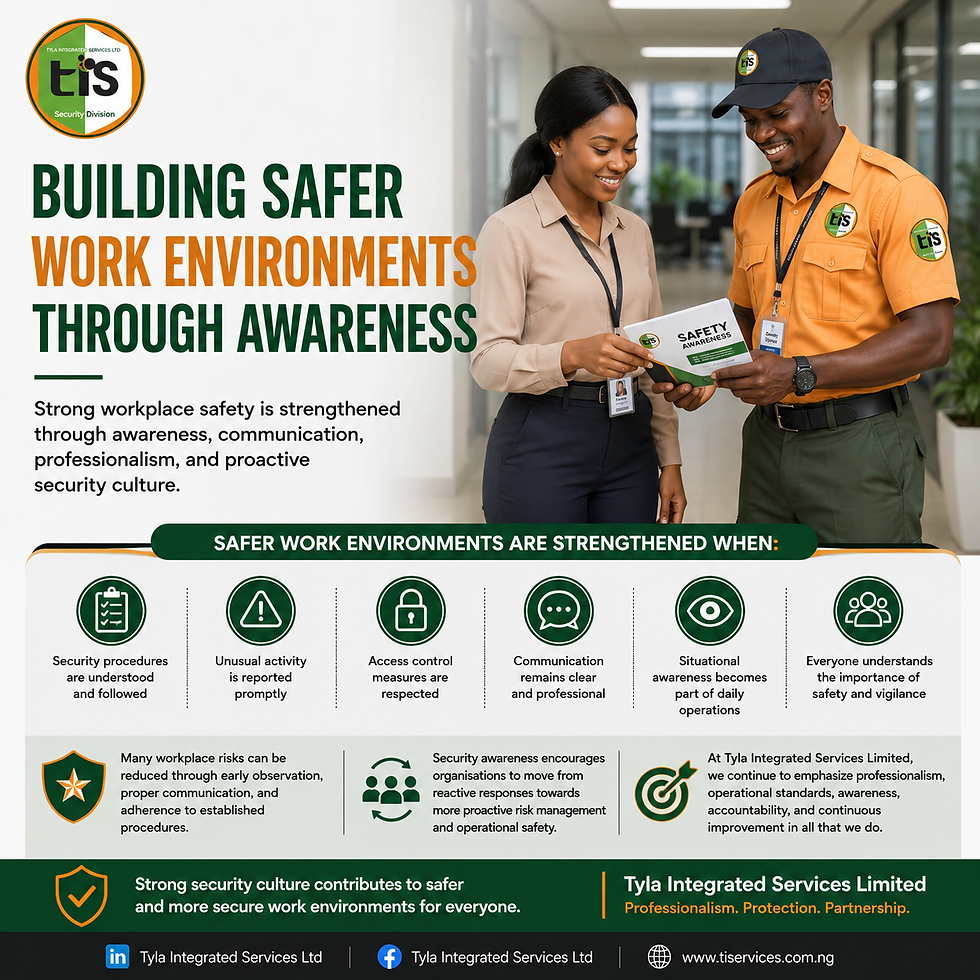
An effective method for enhancing physical security is through employee training. Employees serve as a crucial line of defense against breaches, and their vigilance can greatly reduce risks. Consider implementing the following training initiatives:
Regular Security Workshops: Host sessions that inform employees about potential threats. In one company, this initiative reduced security incidents by 30% within a year.
Emergency Response Drills: Conduct practice scenarios regularly, ensuring employees know how to respond during emergencies. This can significantly decrease response times in real situations.
Clear Reporting Procedures: Provide straightforward channels for employees to report security concerns. For example, establish a dedicated hotline or an easy-to-use app for reporting.
By creating a culture of security awareness, employees will be more inclined to actively contribute to a safer workplace.
Implementing Physical Security Measures
After assessing your current measures and training employees, it’s time to enhance your physical security. Effective strategies include:
Access Control Systems: Invest in systems that restrict entry to authorized personnel. Options like keycard systems and biometric scanners can improve access security significantly.
Surveillance Cameras: Installing high-definition cameras can deter intruders and aid in monitoring activities. Research indicates that businesses with visible surveillance reduce theft by up to 50%.
Security Personnel: Employing security staff, especially during off-hours, can act as a visible deterrent against unauthorized access and theft.
Physical Barriers: Utilize fences, gates, and secure doors to protect sensitive areas. For instance, businesses that use perimeter fencing report a 40% decrease in unauthorized access incidents.
These measures can significantly enhance your workplace's physical security and minimize risks.
Creating a Security Culture
Fostering a security culture within your organization is essential for long-term success. This means not only implementing physical measures but also making security a shared responsibility. Here are some ways to build this culture:
Lead by Example: Management should prioritize and actively promote security awareness. Their commitment often encourages employees to do the same.
Encourage Open Communication: Cultivate an environment where employees feel comfortable discussing security concerns and suggestions. This can lead to valuable insights for improvement.
Recognize and Reward Vigilance: Acknowledge employees who demonstrate exceptional awareness. Simple recognition can motivate others to remain vigilant.
By embedding security practices into the organizational culture, you ensure everyone contributes to maintaining a safe workplace.
Regularly Reviewing and Updating Security Policies
Physical security requires ongoing attention and flexibility. Regularly revisiting and updating your security policies is crucial to address new threats and changes in the workplace. Here are key actions to take:
Conduct Annual Security Audits: Regular assessments help spot new vulnerabilities and evaluate the effectiveness of existing measures.
Stay Informed About Emerging Threats: Keep updated on new security challenges in your industry, allowing your policies to remain relevant.
Solicit Feedback from Employees: Encourage input on security measures from employees based on their experiences. This can highlight overlooked issues and areas for growth.
By maintaining a proactive approach, you can help ensure that your workplace stays secure and resilient.
Elevating Your Physical Security Awareness
Improving your physical security awareness at work is vital for safeguarding your organization’s assets and personnel. By understanding risks, evaluating current measures, training employees, implementing effective strategies, and fostering a culture of security, you can significantly reduce the likelihood of breaches.
In an ever-evolving landscape of threats, staying vigilant and proactive is crucial for ensuring safety and security in the workplace. Embrace these strategies to elevate your physical security awareness today!


Comments